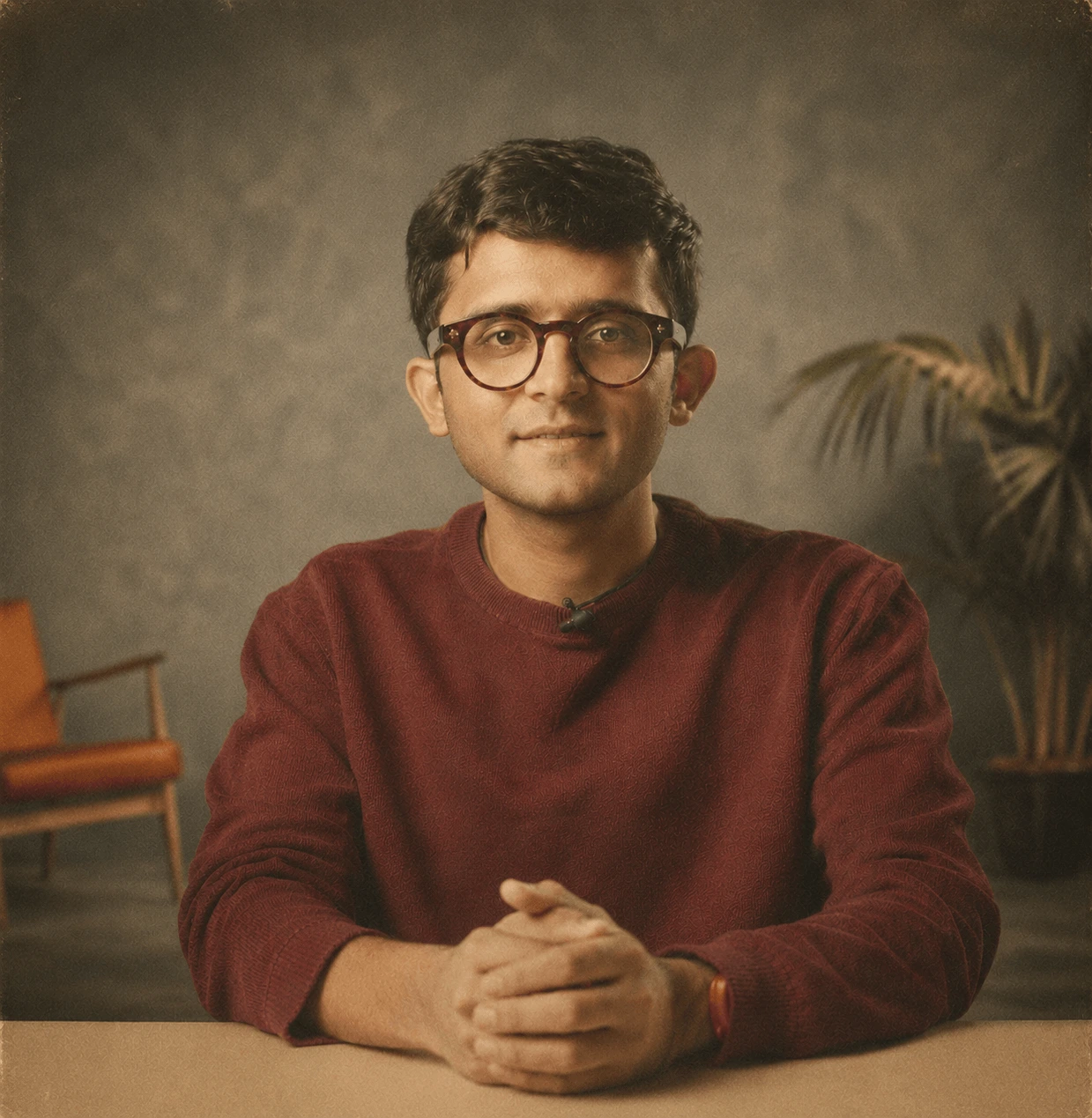
About Sai
12 years. No plans to stop.
I started building in Bangalore in 2014. Twelve years later I am still at it: different problems, same compulsion.
15+patents in deep tech
4exits & acquisitions
2×Stanford GSB
12+years building
Stanford GSB, twice over.
The journey, not the press release.
01
Bangalore / mobile AR
Scapic
I started in Bangalore in 2014, building in the early days of mobile AR. No playbook. No comparable companies to reference. A lot of wrong turns.
Scapic was the first company that got real traction. We built a no-code platform for creating AR and VR experiences, 300,000+ experiences, 50+ awards including the National Startup Awards and Facebook India Awards. When the pandemic hit and e-commerce moved everything online, we pivoted to AR commerce: product visualization, try-before-you-buy, camera-based shopping. Brands running on Scapic saw 94% higher purchase intent and 30% conversion lifts. Flipkart acquired the company to build Flipkart Camera, at the time, the largest AR commerce platform in the world.
02
Two years at Flipkart running Flipkart Camera and then Flipkart Labs (EVs, drones, emerging tech). Enterprise scale. Hundreds of millions of users. Understood fast what I wanted and didn't want from a working environment.
03
Back to zero
Cope + Reality
Left to build again. Cope.Studio (acquired by Polygon) and Reality Tools (acquired by MotionPage) both came out of that period.
04
Current bets
ShopOS + SeeIt
ShopOS and SeeIt are the current bets.
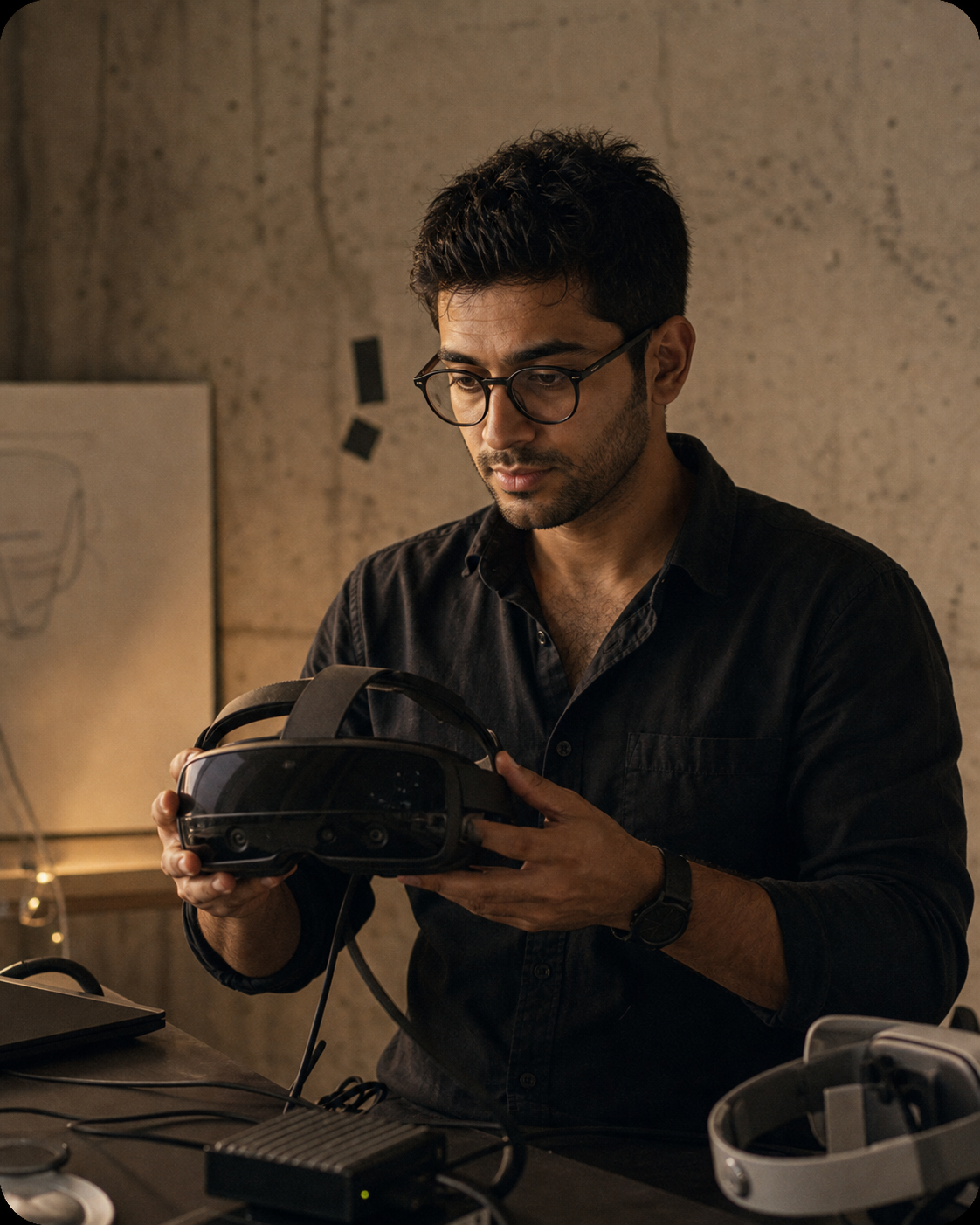
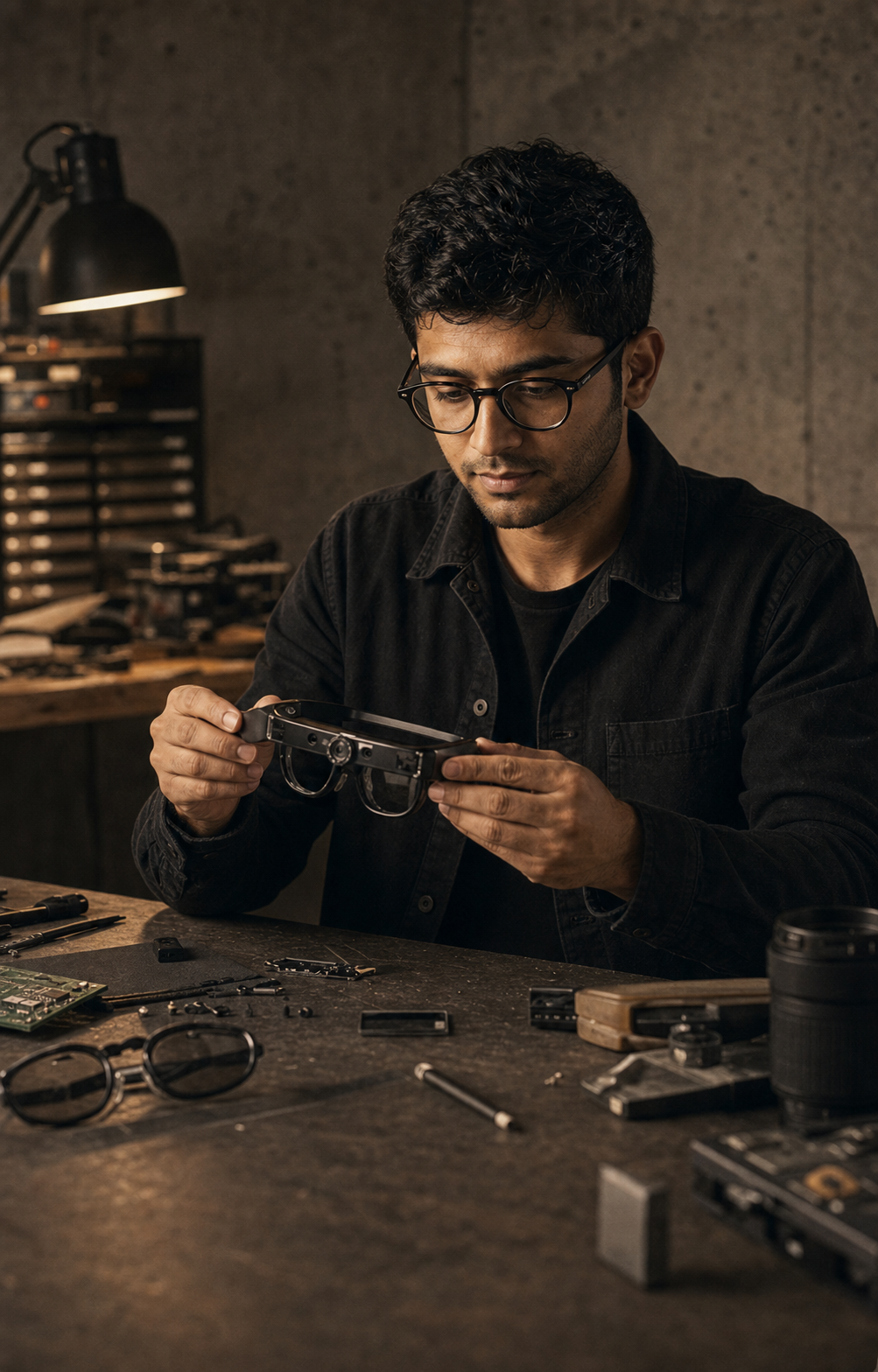
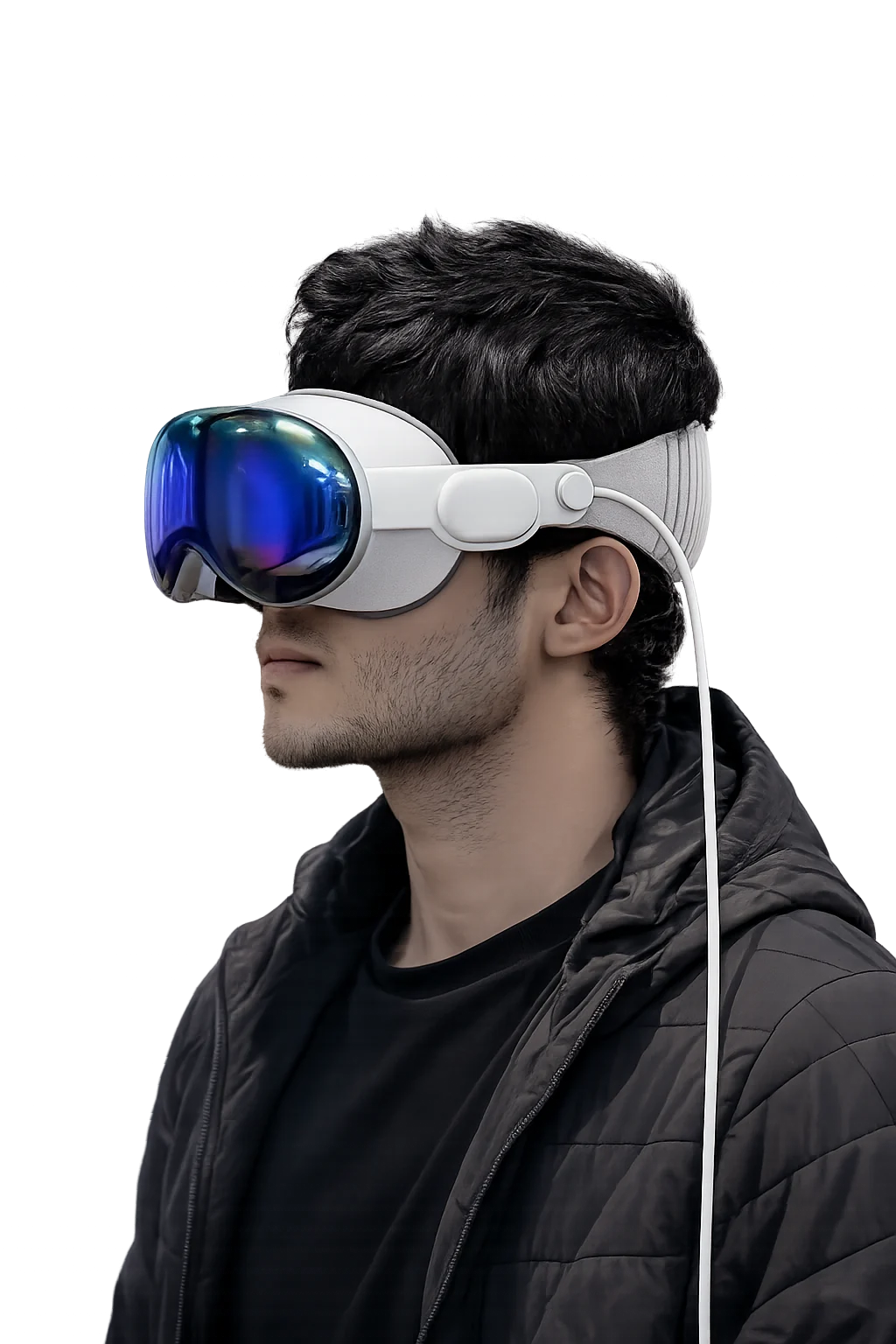
ShopOS applies AI agents to commerce operations, the repetitive, high-volume work that D2C brands pay agencies and contractors to do, badly and expensively. SeeIt applies edge AI to wearables, specifically the form factor that Scapic always pointed toward but could never reach from a browser.
Twelve years in. Still the most interesting time to be building.
Outside the work
Outside of building.
CCricket
Test match cricket specifically. The long game.
V8Cars
How engines work. What they ask of the driver.
ARAugmented Reality glasses
Have been since before they were cool. Still are.
OMTemple visits
Consistent practice. Not performance.
01Journaling
Writing by hand. Ideas stick differently.
SVVedic philosophy
Practical frameworks. Not abstract spirituality.
A deep tech seed-stage fund.
I invest via Spuddish.
The goal is simple: work closely with founders and have fun doing it.
I don't write cheques and disappear. The work I find useful is being in the problem with the team, product architecture, GTM strategy, thinking through a pivot at 1am, being honest when something isn't working.
Focus: deep tech, AI, spatial computing, commerce infrastructure. Especially interested in founders building in India. The talent density is there. The capital and network often isn't. That's the gap I can help close.
- Seed stage
- Deep tech
- Hands-on
- India focus
→ Reach out: sai@shopos.aiWorking together
How I work.
This is the short version. The full version is a Notion doc I share with every new team member. The short version is what you need to know before we work together.
01Hire for giving a shit.
Everything else can be learned. I've hired people with wrong skills who became critical team members. I've hired people with right skills who left the moment the problem got hard. One filter: do they care about the work and about scale?
02Short cycles.
Weeks not quarters. Days not weeks where possible. I'd rather ship a 70% version and learn than wait for a 95% version nobody uses. Budget makes people lazy. Constraints force the right decisions.
03No corporate language.
Write like you talk. If you can't explain it simply, you don't understand it. I will ask you to rewrite things. Not because the prose is bad. Because the thinking isn't done yet.
04Serious work, not seriously.
The work matters. The atmosphere doesn't have to be grave. The best teams I've been on were also the most fun ones. That's not a coincidence.
Dubai ↔ Bangalore ↔ San Francisco ↔ Coimbatore
Still the most interesting time to build.